
Every successful construction project begins long before construction starts. One of the most impactful decisions you can make is in choosing the right project delivery method.
A delivery method defines how owners, architects, engineers and contractors work together throughout planning, design and construction. It affects the entire project, shaping communication, scheduling, budget management, decision-making and the overall experiences and outcomes around your project.
So, yes, it’s kind of a big deal. And it’s good that you’re taking a few minutes to learn about the options.
There is no single delivery method that’s right for every project. The best choice will depend on your project’s complexity, funding, timeline, desired level of involvement and long-term objectives.
The good news: this one post will get you closer to understanding the options and when each one makes most sense.
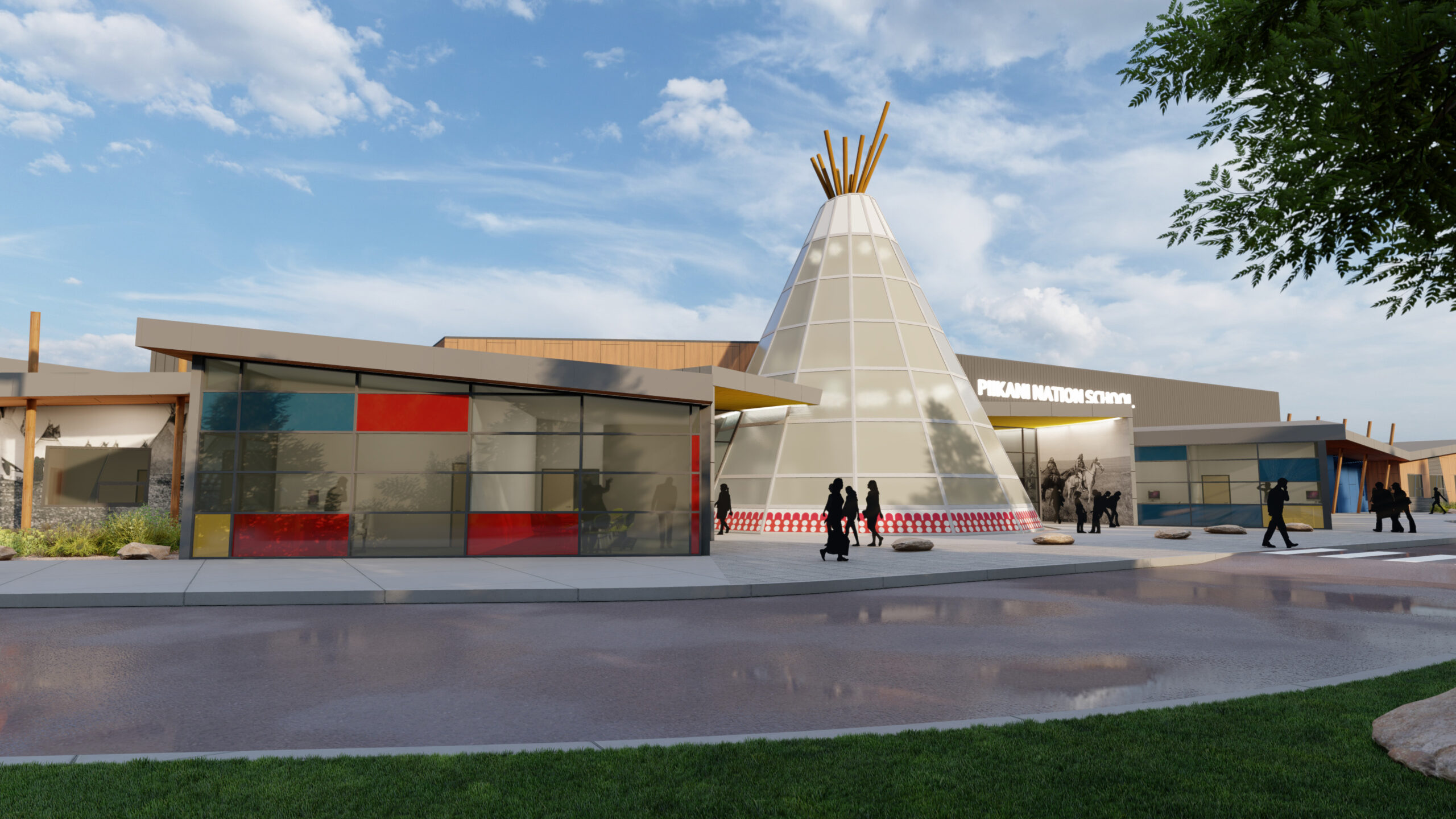
At JEN COL, we’ve delivered commercial, institutional and Indigenous community projects using a variety of delivery methods across Western Canada. Our experience has shown that successful projects begin by clearly understanding the owner’s goals and assembling the right team to achieve them.
Why Early Involvement is Key
One of the biggest misconceptions in construction is that most opportunities to manage cost happen after construction begins. In reality, the greatest opportunity to influence budget, schedule and overall value occurs much earlier, during planning and design.
When your construction partner is involved early, they can contribute practical construction knowledge while the most consequential decisions are still being shaped. This includes evaluating constructability, refining budgets, developing realistic schedules, identifying risks and recommending alternatives before changes become increasingly expensive.
As a project progresses, flexibility continuously decreases. Once construction begins, revisions often have wider-reaching impacts on both cost and schedule. An overly simple example is moving an interior wall. On a plan it costs very little. Once the wall is framed in place, the same change can cost thousands. Once it’s wired, drywalled, taped and painted with trim, ceiling and floor finishes in place, the cost increases substantially. Another example is using the construction team’s experience and market knowledge early to recommend alternate foundation systems, structural systems or HVAC equipment that meet the project schedule rather than delaying work while waiting for long-lead materials or equipment.
That’s why collaborative delivery methods have become increasingly popular. They allow owners, designers and builders to work together from the outset, making informed decisions before any construction dollars are committed.
If you’d like to learn more about how early planning influences project costs, visit our What It Costs page.

Design-Bid-Build
Design-Bid-Build is the traditional construction delivery method.
The owner first works with an architect and consultants to complete the design. Once the drawings and specifications are finalized, contractors submit competitive bids and construction is awarded to the selected bidder.
This approach works well when the project scope is clearly defined before construction begins and the project budget and schedule align with the completed design. Because the contractor typically joins the project after the design is complete, opportunities for construction input during design are more limited.
Best suited for:
- Well-defined projects
- Traditional procurement processes
- Owners seeking the lowest construction price through competitive bidding

Construction Management at Risk
Construction Management brings the construction team into the project much earlier.
Rather than waiting for the design to be completed, the Construction Manager works alongside the owner, architect and consultants throughout planning and design. This collaborative approach allows construction expertise to guide budgeting, scheduling, material selection, procurement and value engineering while the project is still evolving.
Owners remain actively involved throughout the process and can participate in key decisions, including selecting trade partners if they choose. Open-book budgeting provides transparency, while early collaboration helps balance cost, efficiency, sustainability and long-term value. Construction Management at Risk also allows the project to transition to a fixed-price contract once the design and budget have been sufficiently developed. This gives owners many of the pricing benefits of a traditional fixed-price approach while retaining the advantages of early contractor involvement, open-book transparency and collaborative decision-making throughout planning and design.
Best suited for:
- Complex, large or phased projects
- Renovations
- Projects with evolving requirements
- Owners who value collaboration and flexibility

Design-Build
Design-Build combines design and construction into one integrated team working under a single contract with the Design-Builder.
Instead of coordinating multiple contracts, owners work with one team responsible for delivering the project from design concept through completion. Designers and builders collaborate from the beginning, improving communication and allowing design, budgeting and construction planning to happen simultaneously.
This integrated approach often shortens project schedules, provides earlier budget certainty and creates clear accountability throughout the project.
Best suited for:
- Projects with clear and early defined objectives
- Owners seeking a streamlined delivery process
- Projects where schedule and budget certainty are priorities

Progressive Design-Build
Progressive Design-Build leverages the collaborative strengths of Design-Build while providing greater flexibility during planning.
Rather than agreeing to a fixed construction price immediately, the owner first selects the Design-Build team based on qualifications and experience. The owner, contractor, architect and consultants then work together to develop the design, refine the schedule, establish the project budget and provide approval gates that allow the owner to pause, adjust procurement or cancel the project before committing to a final construction price if funding or project requirements change before agreeing on the final construction price.
The progressive approach allows owners to make investment decisions at defined project gates as the design develops. Rather than committing the full construction budget upfront, costs are incurred progressively, giving the owner opportunities to assess feasibility, budget and project direction before advancing to the next stage. If the project is no longer viable, these gates can provide an off-ramp before committing to full construction.
This collaborative process allows important decisions to be made earlier, improves cost confidence and reduces uncertainty before construction begins.
For many complex projects, Progressive Design-Build offers an effective balance between owner involvement, collaboration and streamlined project delivery.
Best suited for:
- Projects where the Owner’s funding and required budgeting is not yet 100% in place or funding needs are not yet known
- Large or technically complex projects, or projects where funding and budget approvals are still being finalized
- Projects with evolving scope
- Owners seeking collaboration with a single point of responsibility
Construction Delivery Methods at a Glance
| Feature | Design-Bid-Build | Construction Management | Design-Build | Progressive Design-Build |
|---|---|---|---|---|
| Contractor involvement | After design is complete | Early planning and design | Early through an integrated team | Earliest through collaborative planning |
| Owner involvement | Moderate | High | Moderate | High |
| Budget certainty | After tender | Refined throughout design | Early | Established after approval gate through collaborative planning |
| Flexibility | Limited after design | Excellent | Moderate | Excellent |
| Collaboration | Moderate to Low | High | High | Very High |
| Single point of responsibility | No | No | Yes | Yes |
Which Delivery Method is Best for Your Project?
Every project has its own distinct set of priorities.
If your design is complete and you are confident it meets your budget and schedule expectations, and tendering is your goal, Design-Bid-Build may be the right choice.
If your project is complex or likely to evolve during planning, Construction Management at Risk provides the flexibility to make informed decisions throughout the process.
If you value a simplified process with one integrated team and earlier budget certainty, Design-Build offers significant advantages.
If your project would benefit from collaborative planning before establishing the final construction price, Progressive Design-Build combines many of the strengths of both approaches.
Another way to think about the options is to start with your priorities:
| If your priority is … | Consider … |
|---|---|
| Maximum owner involvement | Construction Management |
| Simplifying communication | Design-Build |
| Competitive tendering after completed design | Design-Bid-Build |
| Early collaboration with later price certainty | Progressive Design-Build |
The right delivery method isn’t simply about selecting a contract. It’s about choosing the approach that best supports your project’s objectives from the very beginning.
A Unique Approach From Day One
At JEN COL, we know successful projects begin long before construction starts.
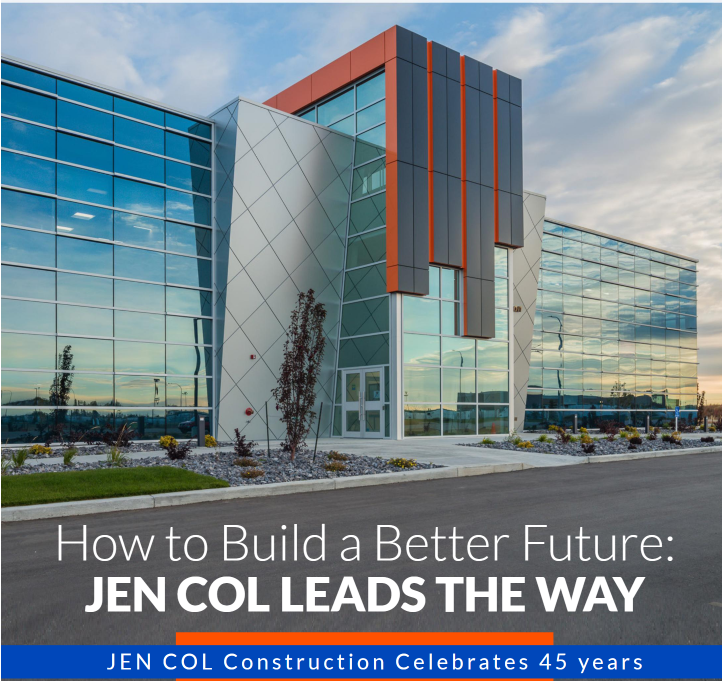
Over nearly 50 years, we’ve learned that the very best outcomes come from understanding an owner’s objectives first, then assembling the right team and selecting the delivery method that best supports those goals. The delivery method is simply the framework that enables that collaboration.
We work best with owners who value transparency, thoughtful planning and a shared commitment to delivering quality. Together, we solve problems early, make informed decisions and stay focused on delivering projects that meet expectations for cost, schedule, performance and long-term value.
Every project is unique. By taking the time to understand your vision, priorities and constraints, the right delivery method often becomes much easier to identify. That’s how we consistently arrive at the outcome we pride ourselves on most: